Iowa Spring Seeding & Sod Guide
Spring is the second-best time to establish a new lawn in Central Iowa. (Fall is the best — but we’ll get to that.) Whether you’re starting from bare dirt on a new construction lot, patching dead spots from winter kill, or completely renovating your yard, this guide covers everything you need to know about seeding and sodding in Iowa’s climate.
When to Seed in Central Iowa
Timing is the single biggest factor in whether your seed takes hold or fails. Iowa sits in USDA Hardiness Zones 5a–5b, and our cool-season grasses have two ideal planting windows:
Fall (Best): August 15 – September 30
Fall seeding succeeds more often because soil temperatures are warm (which speeds germination), air temperatures are cooling (which reduces stress on young seedlings), and weed competition drops off sharply. The new grass gets established before winter and comes back strong the following spring.
Spring (Good): April 15 – May 31
Spring seeding works well if you get the timing right. Wait until soil temperatures consistently reach 50–55°F at a 2-inch depth. In the Des Moines Metro area, this typically happens in mid to late April. The challenge with spring seeding is that summer heat and crabgrass pressure arrive just as your new grass is trying to mature. That’s why soil preparation and seed selection matter even more in spring.
Pro Tip
Avoid seeding from June through mid-August. Iowa’s summer heat and humidity stress young grass, and you’ll fight a losing battle against crabgrass and foxtail.
Best Grass Seed for Iowa Lawns
Central Iowa’s climate calls for cool-season grass species. Here’s what works best:
Kentucky Bluegrass
The gold standard for Iowa lawns. Kentucky bluegrass produces a dense, dark green turf that spreads via rhizomes to fill in bare spots and recover from damage. It thrives in full sun and tolerates Iowa’s cold winters. The trade-off is that it’s slower to germinate (14–21 days) and needs consistent moisture during establishment. We recommend improved cultivars like Midnight, Award, or Bewitched for their disease resistance.
Turf-Type Tall Fescue
An increasingly popular choice for Iowa. Modern turf-type tall fescues have finer blades than the old pasture varieties and offer better drought tolerance and shade performance than bluegrass. They germinate faster (7–14 days) and establish deep root systems. Good for yards with mixed sun and shade. Look for cultivars like Rebel IV, Titan, or Firecracker SLS.
Perennial Ryegrass
The fastest germinator of the bunch (5–10 days), making it a great nurse grass in seed blends. Ryegrass establishes quickly to prevent erosion while slower species catch up. It doesn’t spread like bluegrass, so it’s typically used as 10–20% of a blend rather than planted alone.
Our Recommendation
For most Central Iowa lawns, we use a blend of 60–70% Kentucky bluegrass, 20–30% turf-type tall fescue, and 10% perennial ryegrass. This gives you the density and self-repair of bluegrass, the drought tolerance of fescue, and the quick establishment of ryegrass.
Seeding Methods: Which One Is Right for Your Project?
Traditional Broadcast Seeding
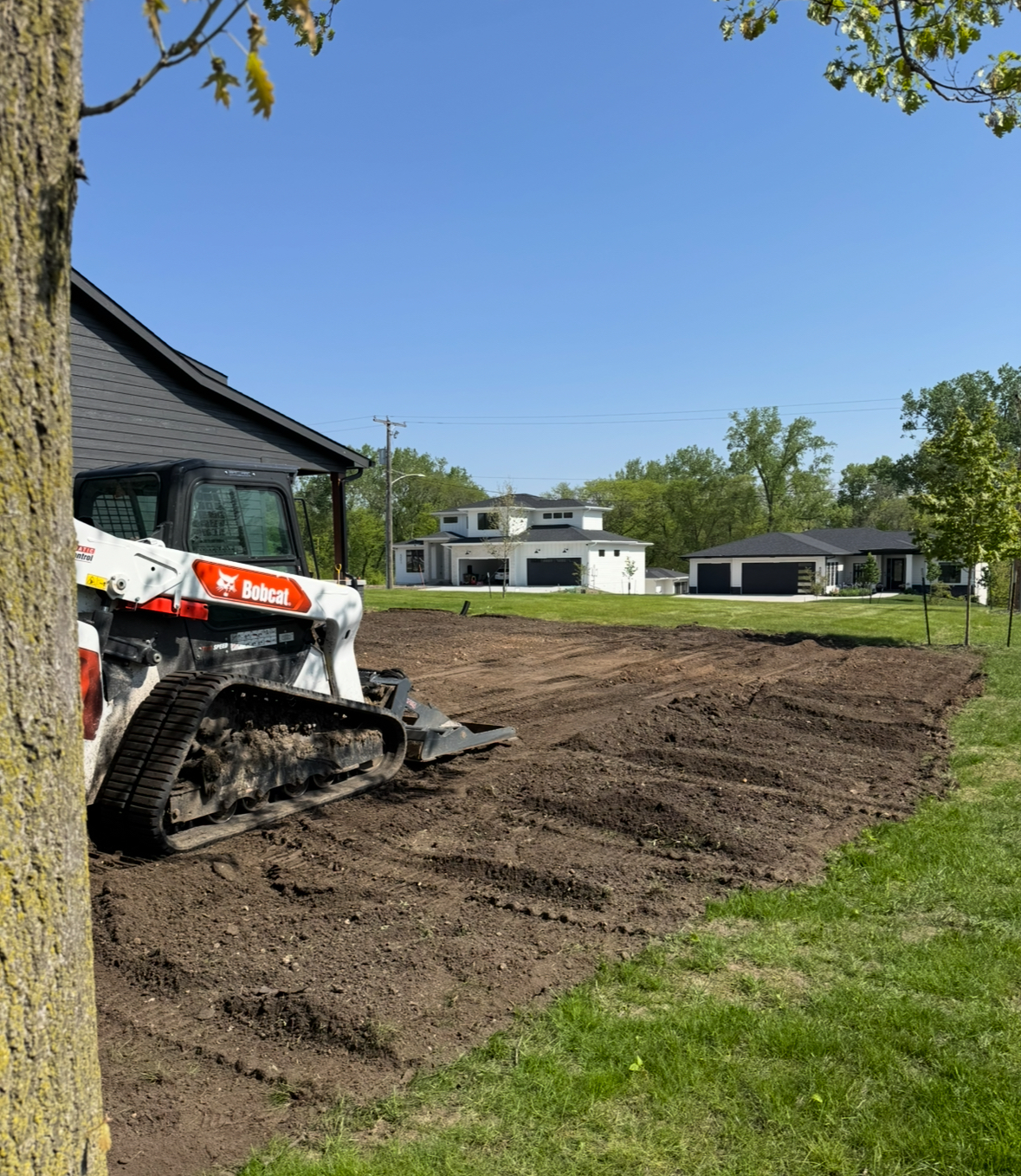
The most common method for small to mid-size residential lawns. Seed is spread with a rotary or drop spreader, then raked or dragged into the soil and covered with straw mulch. Works well for overseeding existing lawns or establishing new lawns on prepared soil. Cost-effective for areas under half an acre.
Hydroseeding
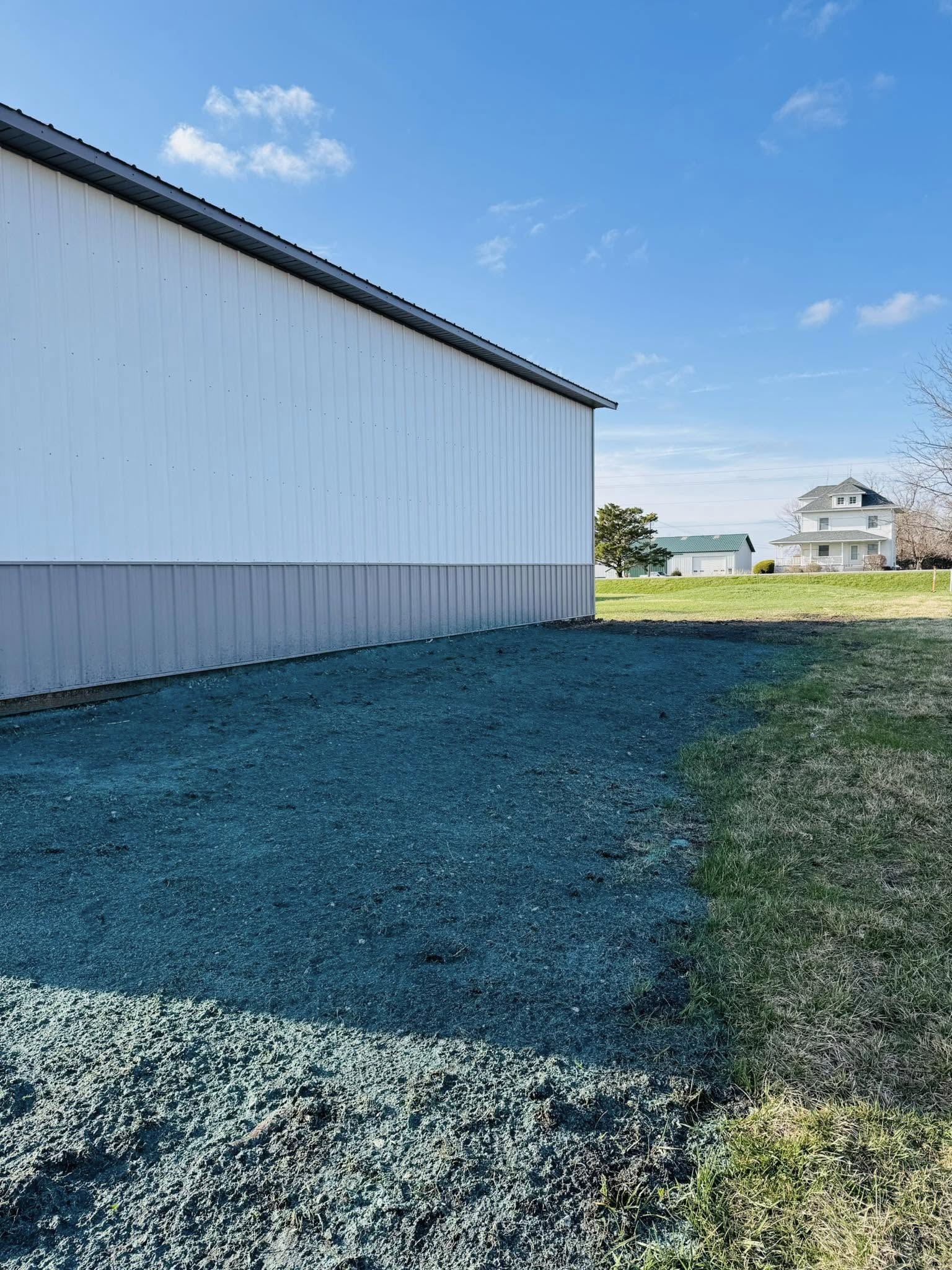
Our go-to method for larger properties and new construction. Hydroseeding applies seed, mulch, fertilizer, and a tackifier in a single slurry sprayed from a truck-mounted tank. The mulch layer retains moisture better than straw, the seed-to-soil contact is more consistent, and you can cover large areas quickly. We hydroseed hundreds of lots per year across Central Iowa, and it consistently outperforms broadcast seeding on bare dirt.
Hydroseeding typically costs less than sod but more than broadcast seeding. For most residential properties, it falls in the $0.08–$0.15 per square foot range.
Sod Installation
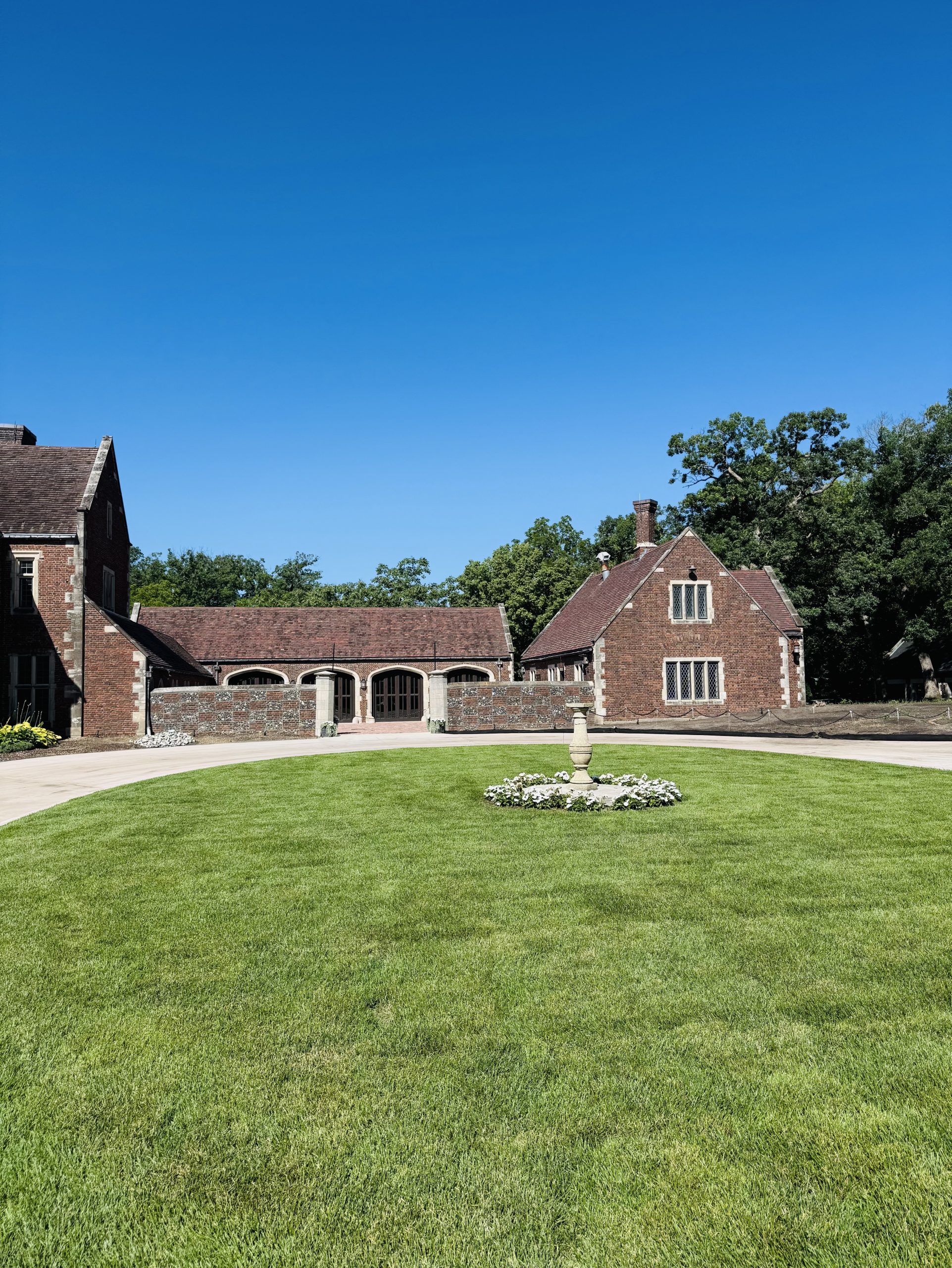
Sod gives you an instant lawn. Rolls of mature turf are laid directly on prepared soil, watered heavily, and the roots knit into the ground within 2–3 weeks. Sod is the best choice when you need immediate erosion control, have a landscape project with a tight deadline, or simply want to skip the 4–6 week germination period.
The cost is higher — typically $1.00–$2.00 per square foot installed in the Des Moines area — but you’re getting a finished product on day one. We source our sod from local Iowa farms so it’s already acclimated to our climate and soil conditions.
Soil Preparation: The Step Most People Skip
Whether you’re seeding or sodding, soil prep is the most important step. Skip it, and even the best seed or sod will struggle. Here’s what proper preparation looks like:
- Soil test: Get a soil test through Iowa State University Extension. It costs about $25 and tells you exactly what amendments your soil needs. Most Central Iowa soils are slightly acidic and low in phosphorus.
- Rough grading: Establish proper drainage away from structures. The yard should slope at least 1 inch per foot for the first 6–10 feet from the foundation.
- Amend the soil: Work in 2–4 inches of quality topsoil or compost, especially on new construction lots where the topsoil has been removed or buried.
- Fine grading: Smooth the surface, break up clods, and remove rocks and debris larger than a golf ball.
- Starter fertilizer: Apply a phosphorus-rich starter fertilizer at the time of seeding or sodding to promote root development.
Watering Your New Lawn
New seed and sod need consistent moisture to establish. Here’s the watering schedule we recommend:
For Seed:
- Weeks 1–3: Light watering 2–3 times per day to keep the top ½ inch of soil consistently moist. Each session should be 5–10 minutes. The goal is damp, not soaked.
- Weeks 3–6: Reduce to once daily, watering deeper (15–20 minutes) to encourage roots to grow down.
- After 6 weeks: Transition to a normal watering schedule — about 1 inch per week, applied in 2–3 sessions.
For Sod:
- Day 1: Soak the sod immediately after installation until the soil beneath is saturated.
- Week 1: Water daily, enough to keep the soil beneath the sod moist. Lift a corner to check.
- Weeks 2–3: Reduce to every other day, watering deeper.
- After 3 weeks: Tug on the sod. If it resists, the roots have knit. Transition to a normal schedule.
Common Mistakes to Avoid
- Seeding too early: If soil temps are below 50°F, the seed just sits there and rots or gets eaten by birds.
- Skipping soil prep: Throwing seed on hard, compacted clay is a waste of money.
- Mowing too soon: Wait until the new grass is at least 3–4 inches tall before the first mow. Set the mower high (3–3.5 inches).
- Applying weed killer too early: Most herbicides will kill new grass seedlings. Wait until you’ve mowed at least 3–4 times before applying any weed control.
- Letting sod dry out: Sod can die within 24–48 hours in hot weather if it dries out before rooting. Don’t install more sod than you can water in a single day.
Need Help With Your Lawn?
From hydroseeding new construction lots to sod installation on finished landscapes, we handle projects of every size across Central Iowa. Contact us for a free estimate.
Get Free Estimate