Preparing Your Yard for Iowa Winters
Central Iowa winters are hard on landscapes. Temperatures regularly drop below zero, freeze-thaw cycles happen dozens of times per season, ice storms bend and snap branches, and heavy snow loads crush plants that weren’t prepared. The work you do in October and November directly determines what your yard looks like in April.
After 15+ years of building and maintaining landscapes across the Des Moines Metro, here’s the fall preparation checklist we recommend to every client.
Drainage: Fix It Before It Freezes
Fall is the last chance to address drainage issues before the ground freezes. Standing water that’s merely annoying in summer becomes destructive in winter — it freezes, expands, and damages everything around it.
- Clean out catch basins and drain grates: Leaves, grass clippings, and sediment accumulate all season. A clogged catch basin means water backs up and floods areas it’s supposed to drain. Pull the grates, remove debris, and flush the system with a hose.
- Check downspout extensions: Make sure buried downspout drain lines are flowing freely. Disconnect and flush them. If water doesn’t come out the discharge end, there’s a blockage that needs clearing before winter.
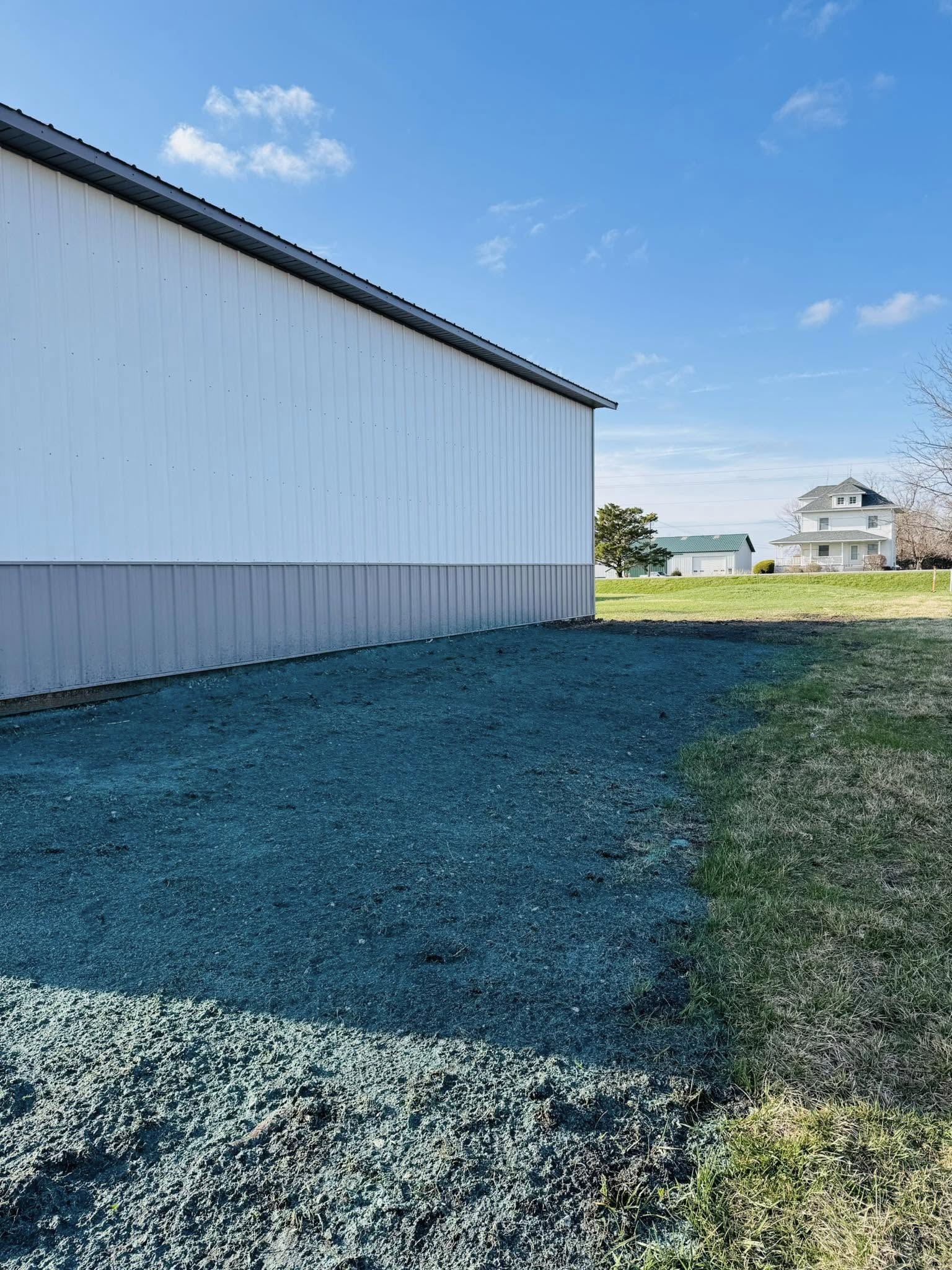
- Address any new low spots: If areas of your yard settled over the summer, they’ll collect water and ice all winter. Late fall is a good time to bring in topsoil and regrade minor low spots while the ground is still workable.
- Ensure sump pump discharge is clear: The discharge line needs to carry water well away from the house. Make sure it’s not clogged and the outlet isn’t blocked by mulch, soil, or debris.
Lawn Care: The Last Mow and Beyond
What you do to your lawn in fall has a bigger impact on next spring than anything you do in March or April.
Final Mowing
Gradually lower your mower height on the last two or three cuts of the season to around 2.5–3 inches. Leaving grass too tall going into winter creates a matted layer that traps moisture and promotes snow mold — a fungal disease that shows up as circular dead patches in spring. Leaving it too short exposes the crowns to cold damage. The 2.5–3 inch range is the sweet spot for Iowa.
Fall Fertilization
The single most impactful fertilizer application of the year is the late fall feeding, typically applied in mid to late October after the grass has stopped growing up but the roots are still active. A slow-release nitrogen fertilizer applied now feeds the root system through fall and gives the lawn a head start in spring. Iowa State University Extension recommends 1 pound of actual nitrogen per 1,000 square feet for this application.
Leaf Removal
Don’t let a thick layer of leaves sit on the lawn through winter. A mat of wet leaves smothers grass, promotes disease, and creates bare spots. Mulch-mow light leaf cover directly into the lawn (the nutrients are beneficial), but rake or blow heavy accumulations. A light, shredded leaf layer is fine; a solid, soggy mat is not.
Overseeding
If your lawn has thin spots or bare patches, early fall (September) is the ideal time to overseed. By October it’s getting late for seeding in Central Iowa, but dormant seeding in late November (after the soil temperature drops below 50°F) can work. The seed sits over winter and germinates first thing in spring when conditions are right. It’s not as reliable as active-season seeding, but it’s better than leaving bare soil exposed to erosion all winter.
Hardscaping: Protect Your Investment
Patios, retaining walls, and other hardscape elements are built to withstand Iowa winters, but a few maintenance steps help them last longer.
Paver Patios
- Sweep and clean: Remove all organic debris (leaves, dirt, moss) from the paver surface and joints. Organic matter holds moisture, which freezes and can dislodge joint sand.
- Re-sand joints if needed: If polymeric sand has washed out of joints, refill them before winter. Open joints allow pavers to shift during freeze-thaw.
- Seal (optional): A breathable paver sealer provides some protection against salt damage and staining. Apply on a dry day above 50°F.
- Snow removal note: Use a plastic shovel on pavers, not a metal one. And avoid rock salt (sodium chloride) on concrete pavers — it accelerates surface scaling. Calcium chloride or sand are safer alternatives.
Retaining Walls
- Check for drainage issues: Look for signs of water retention behind the wall — wet spots, efflorescence (white mineral deposits), or soil seeping through joints. Water trapped behind a wall freezes and expands, potentially pushing the wall outward.
- Clear drain outlets: Make sure the drain pipe outlet at the base of the wall is clear and flowing. Poke a stick or flush with a hose to verify.
- Inspect for movement: Walk along the wall and look for any sections that have shifted, leaned, or cracked since installation. Small issues caught now can be corrected before winter worsens them.
Trees and Shrubs
- Water deeply before freeze: Give trees and shrubs (especially evergreens) a thorough, deep watering in late October or early November before the ground freezes. Winter desiccation — where evergreens lose moisture through their needles but can’t replace it because the ground is frozen — is a common cause of winter browning in Iowa.
- Mulch around tree bases: A 2–3 inch layer of mulch around the base of trees and shrubs insulates roots from extreme cold. Keep mulch pulled back 3–4 inches from the trunk to prevent moisture and rodent damage.
- Wrap young trees: Thin-barked trees less than 3–4 years old (maples, lindens, honeylocust) should have their trunks wrapped with tree wrap from the ground to the first branch. This prevents sunscald — cracking caused by the bark warming on the sunny south/west side during the day and rapidly refreezing at night.
- Prune dead wood: Remove dead, damaged, or crossing branches from trees in late fall after leaf drop. This reduces the risk of ice-loaded branches breaking and causing damage. Avoid heavy pruning of oaks between April and October to prevent oak wilt transmission.
- Protect from wildlife: Deer browsing and rabbit girdling are common winter landscape damage in suburban Central Iowa. Burlap wraps, tree guards, or deer repellent sprays can protect vulnerable plants.
Irrigation Systems
If you have an in-ground sprinkler system, winterization is mandatory in Iowa. Water left in the pipes will freeze, expand, and crack lines and fittings. The repair bill in spring will far exceed the cost of a fall blowout.
- Shut off the water supply to the system
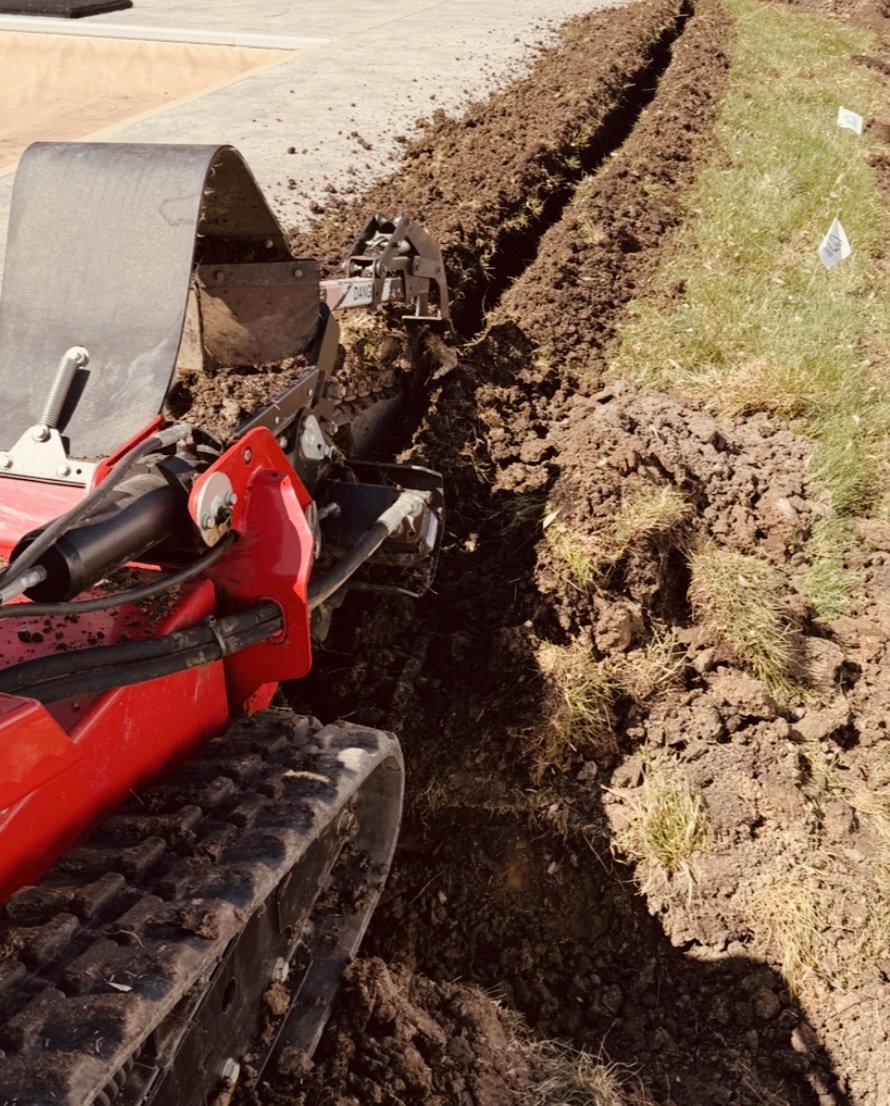
- Use an air compressor to blow out all remaining water from the lines, heads, and valves
- Drain the backflow preventer and leave test cocks open
- Turn the controller to “off” or “rain” mode (leave power connected to preserve programming)
Most irrigation contractors in Central Iowa schedule winterization blowouts from mid-October through mid-November. Don’t wait until November — schedules fill up fast, and an early hard freeze can cause damage before your appointment.
The Fall Prep Checklist
Here’s a summary you can reference each October:
- Clean catch basins, drain grates, and downspout extensions
- Regrade any new low spots near the foundation
- Final mow at 2.5–3 inches
- Apply late-fall fertilizer
- Remove heavy leaf cover
- Clean and re-sand paver joints
- Inspect retaining walls and drain outlets
- Deep water trees and shrubs before ground freeze
- Refresh mulch around landscape beds
- Wrap young tree trunks
- Prune dead or damaged branches
- Winterize irrigation system
- Winterize outdoor kitchen plumbing
- Store or cover outdoor furniture
Need Help Getting Ready for Winter?
From regrading drainage issues to fall cleanups and preparation, we help Central Iowa homeowners protect their landscape investment through the winter months.
Contact Us Today